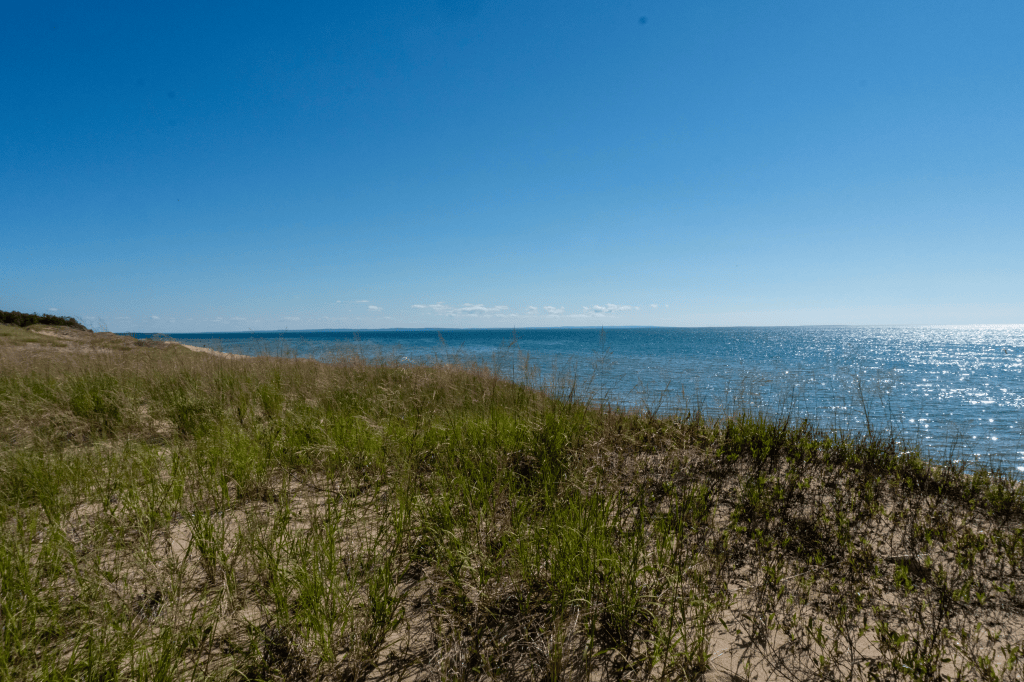
In the 1980s Michigan determined that the sand dunes along the lake fronts of Michigan were deemed to be a critical habitat. Subpart 353 discusses what is allowed as part of the dune protection and what activities are not allowed and violated the protections of the sand dunes. Even if certain properties fall within these protected areas they still require permits for recreational actives.
According to PNAS the broad scope of noise pollution can affect critical habitats. The phantom road can cause disruptions to the dunes, the native plants and grasses, and the wildlife that call the dunes and surround woods home. It causes animals and migratory birds to shy away from these habitats to protect themselves. The noise surrounding Route 2 near Saint Ignace is considered immediate because it is within 100 feet of the sand dunes. The road itself poses more than just noise issues, it also disrupts the natural wind patterns and expediting erosion. The extra impact of salt and other chemical runoff with the rain and snow melt.
KLH Dunes Preserve discusses additional threats to the sand dunes along the Great Lakes. An additional impact is the encroachment of invasive species that choke out native grasses and speed up the erosion that each of the different dunes habitats faces. Most of these species are from human impact and the weather then carries their seeds to other locations and continues the spread.


Leave a comment