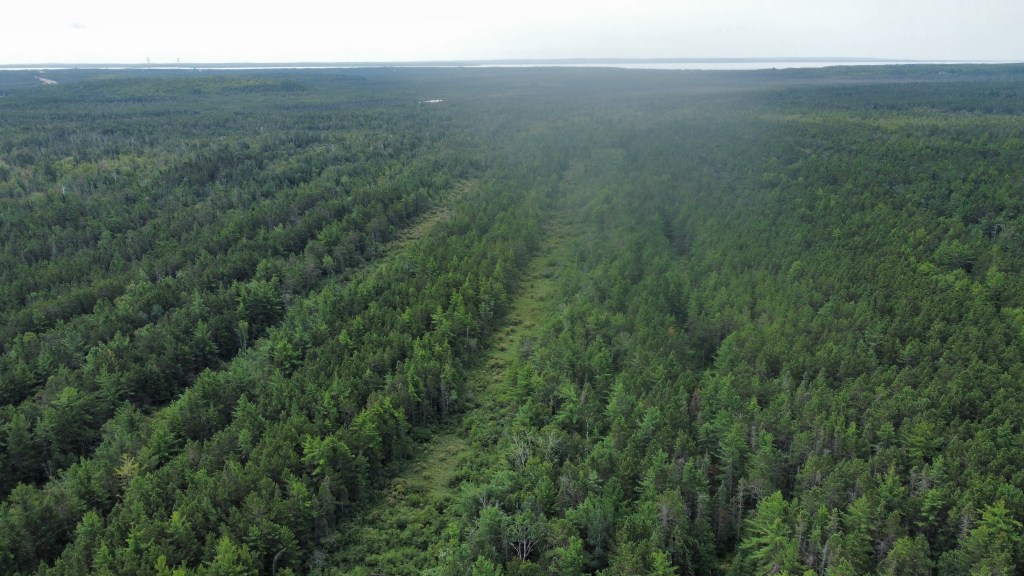
Sustainable logging is something that Michigan began in the early 1900s. The program began as a reason to start replanting deforested sections of the state. The Forestry Commission was started in 1883 to try to protect this natural resource.


While old growth forests still exist within the state the numbers are reduced from over logging. According to Old Growth Forest Network there are 19 active old growth forests in Michigan. These forests are listed in a protected status and cannot be harvested. The old growth forest does not have the same symmetry of a replanted forest.
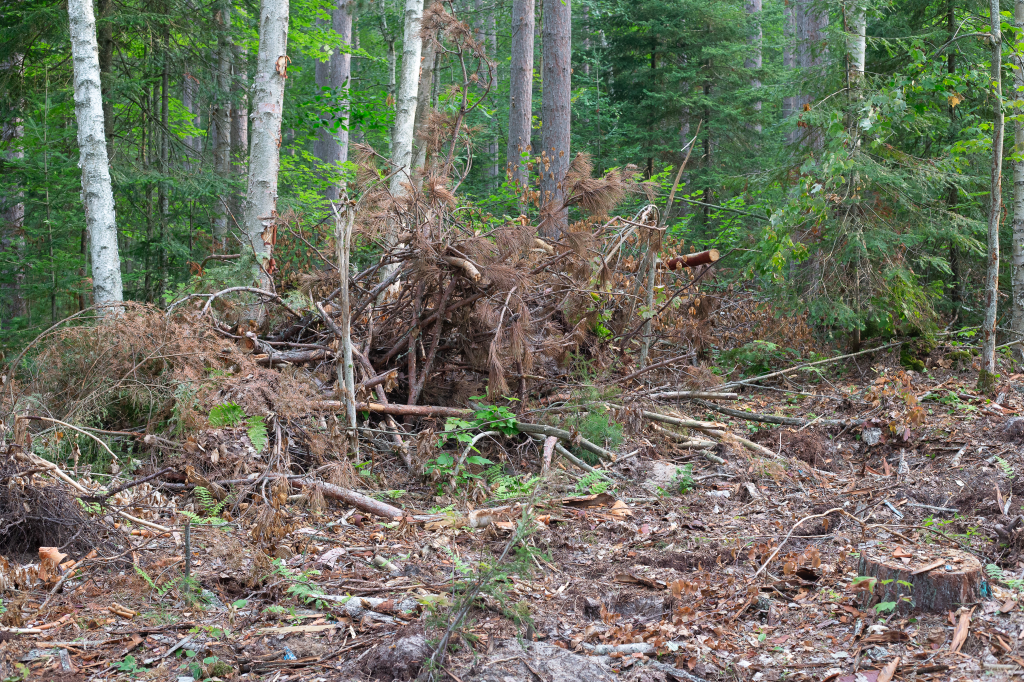
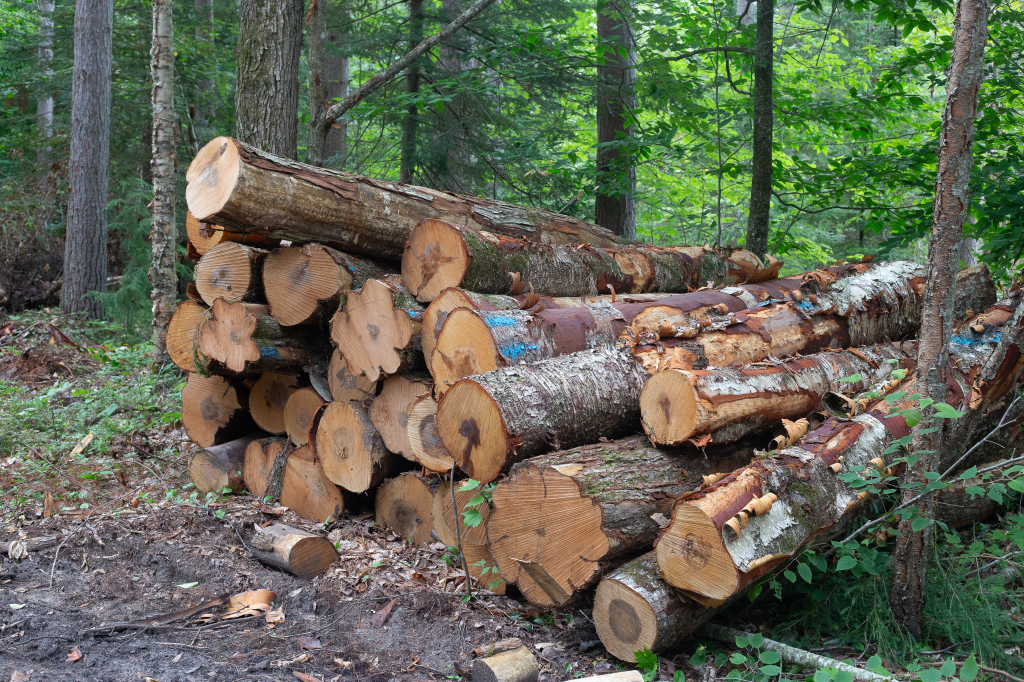
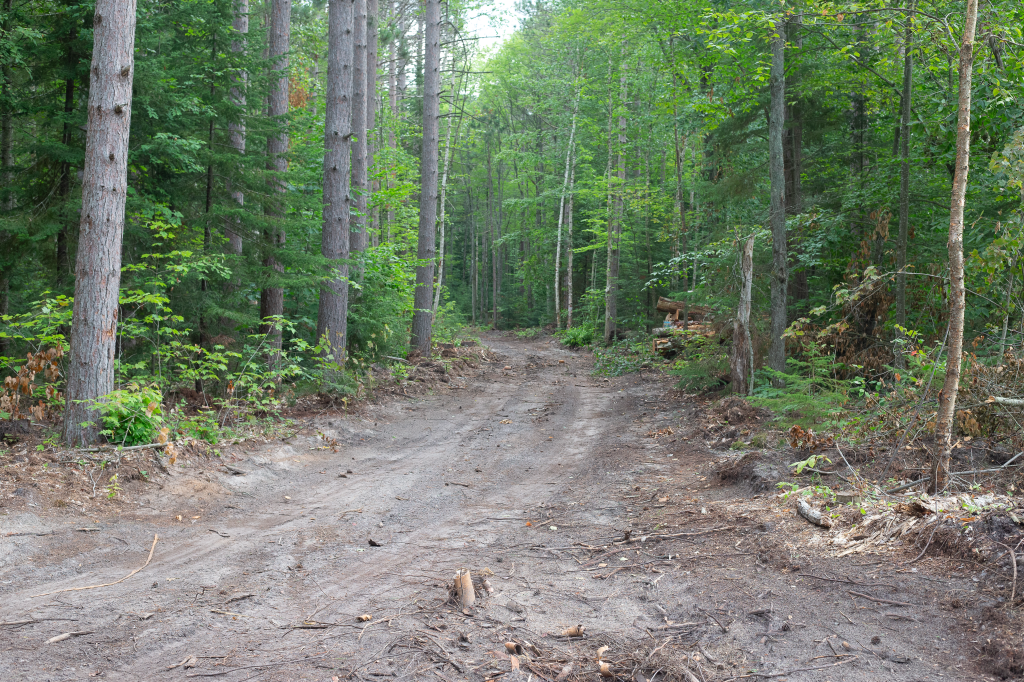
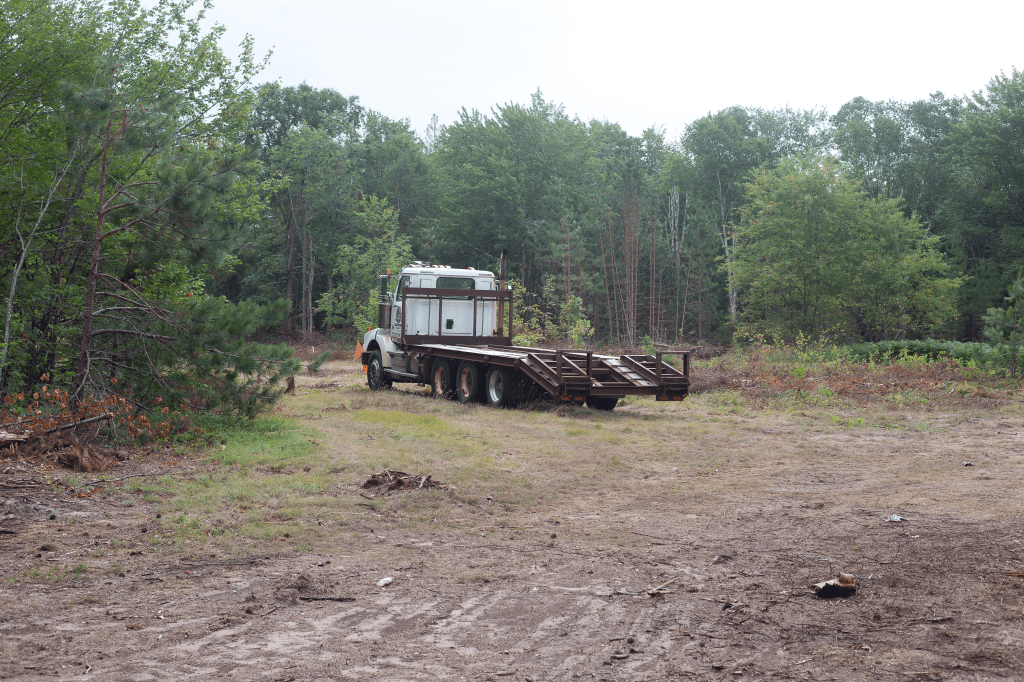
There are over 800 certified sustainable loggers that exist in Michigan alone. While this is not a practice per se but a certification that can be achieved by logging companies who meet the requirements to be considered sustainable. The companies plant trees and use rotating harvest plots to make this commodity renewable. The US Forestry Service declined to comment on the status of sustainable logging in Michigan.
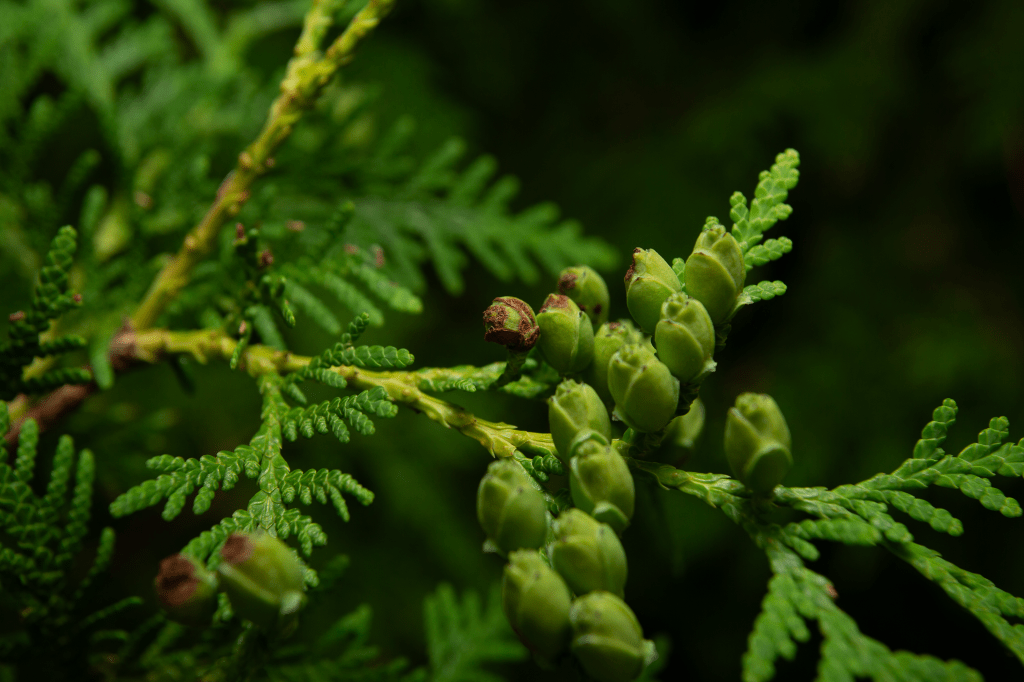
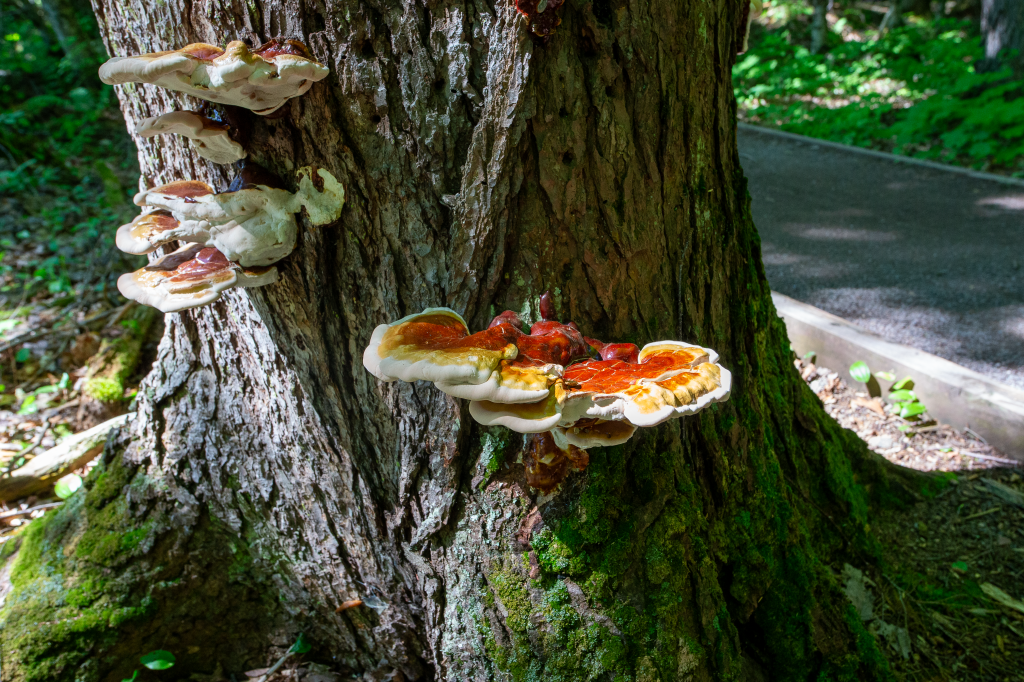

There are several wonders of the forest that also help protect the forest. The pinecone houses the seeds that can help to repopulate the forest. The sap has many different uses from chewing gum to medication. The fungi help to break down dying or deceased trees and other biological entities.
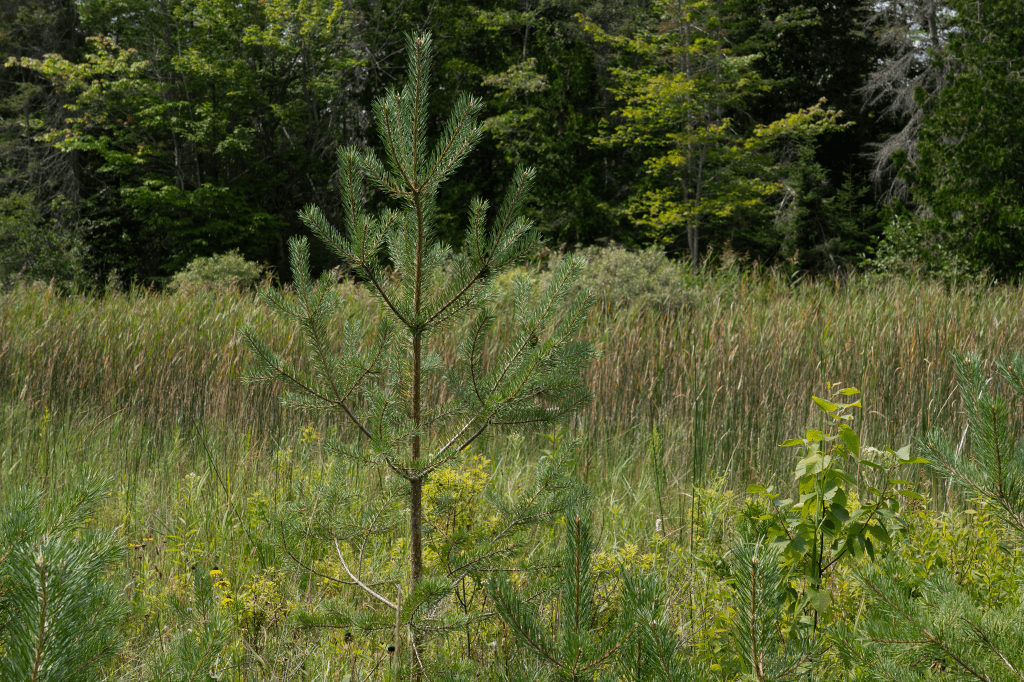
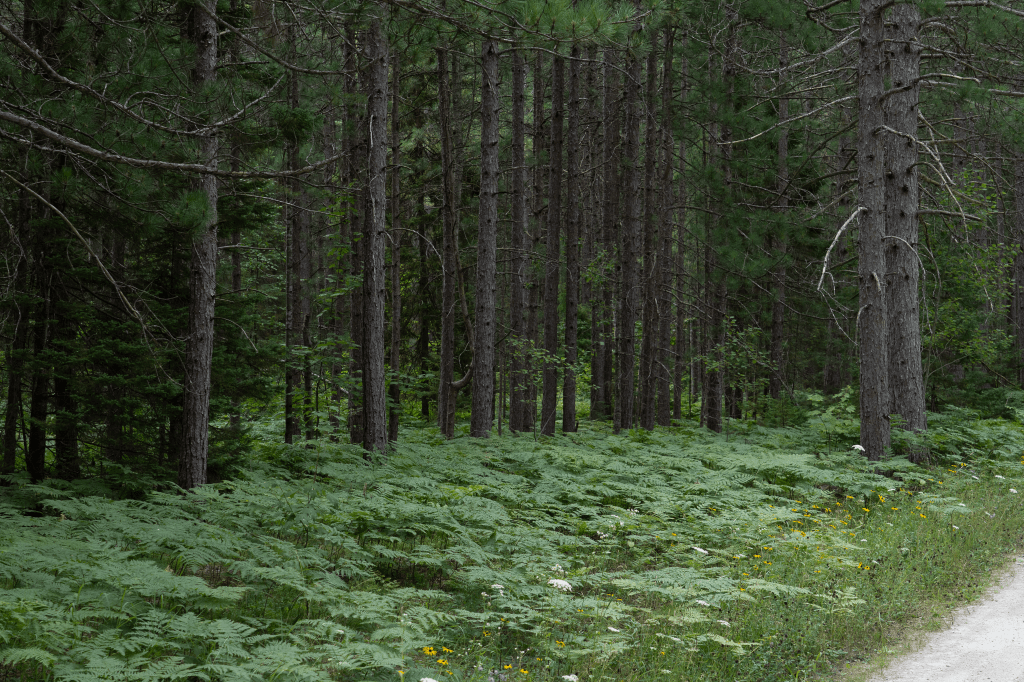
After the forests were harvested in the early 1900s the Civilian Conservation Corps replanted the trees, which is where the straight lines planting originated from. This sparked the sustainable logging boom that is still very prevalent in Michigan and will continue to produce a renewable resource well into the future.

 Murphy's Field Notes
Leave a comment