With the upward trend in climate-based fiction everyone is leaning more towards the hopeful and less on the dystopian fiction. According to Now Novel these stories are on the rise where authors are using nature itself as the central theme or character. This writing coach stated that part of what makes it an eco-fiction is the human accountability side of the story.
There are several authors that are trying to use works of fiction to draw more attention to climate and change and the impact humans have on the planet. The difference is that authors are now trying to capture what it would be like to live amongst the planet and be a part of the change as opposed to creating a dystopian novel that is based on survival and sadness. Medium spoke to this when comparing the novels and stories in the 1960s that were set in the future, where today they are becoming more a piece to draw attention and change instead of scaring people.
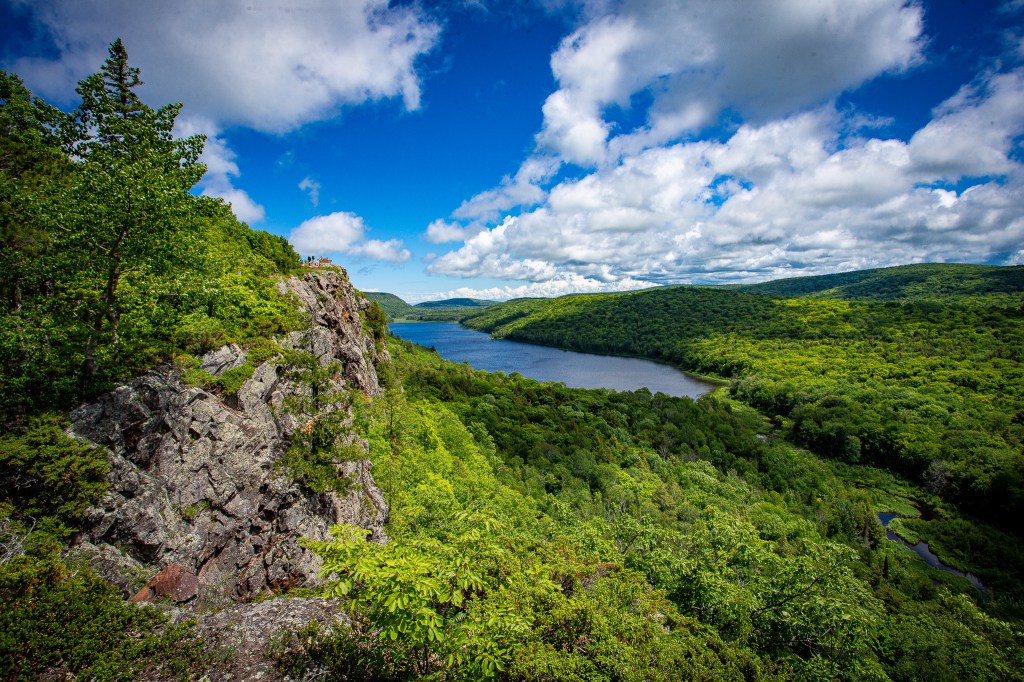
Flora Finchley is a local author that write climate fiction after spending a couple years in the Upper Peninsula and being able to enjoy the splendid beauty of the Great Lakes. When she originally started writing Cli-Fi was not the route she was planning on taking her writing. The location and the impact seen around her changed her mind and the research began.


Leave a Reply